

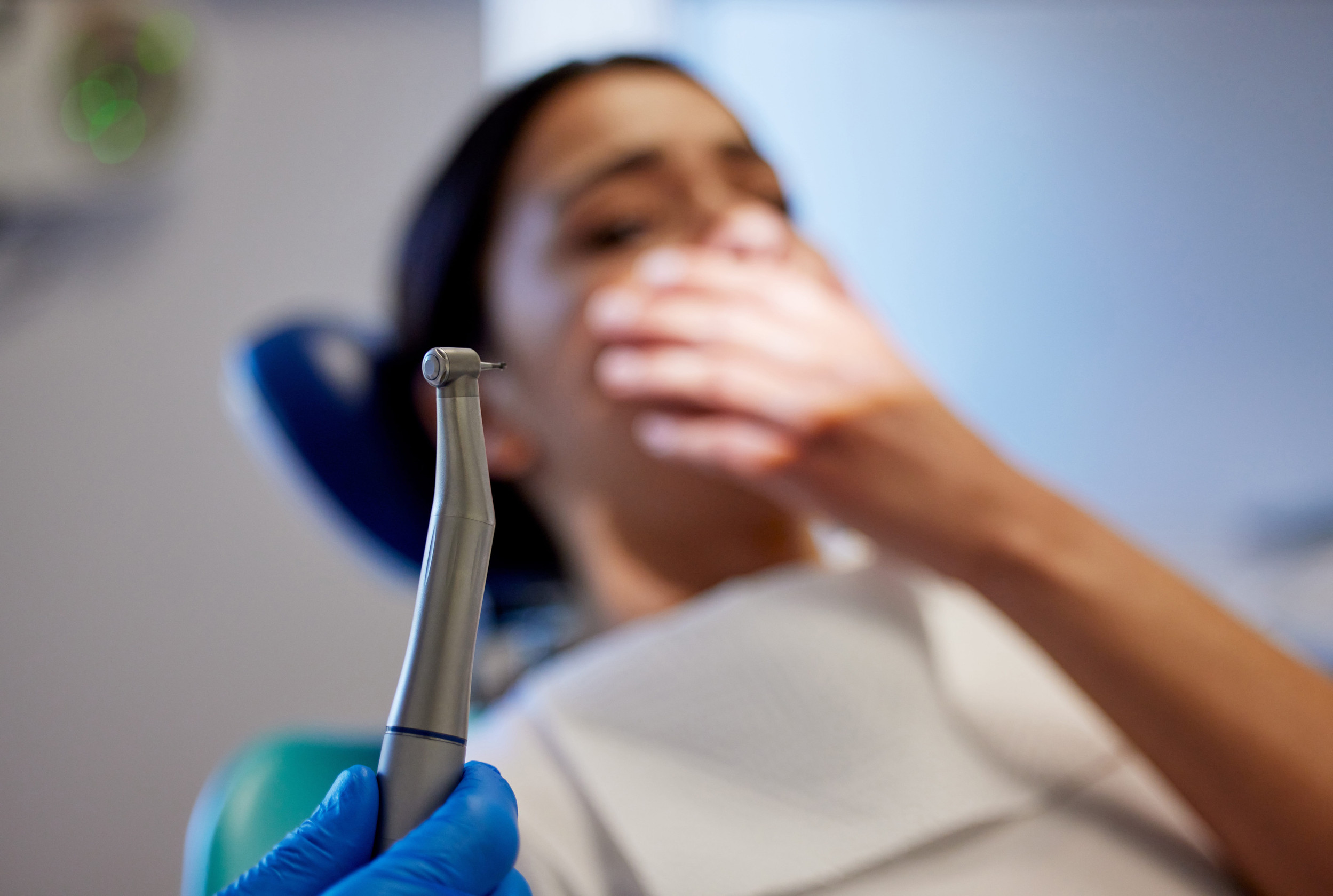
For many people, visiting a dentist can be a source of stress and anxiety. Whether it’s a fear of pain, past negative experiences, or simply a sense of vulnerability in the dental chair, dental anxiety is common. However, avoiding regular dental care can lead to serious oral health issues, including cavities, gum disease, and even the need for more invasive procedures like dental implants. Understanding dental anxiety and taking steps to manage it can make your dental visits far more comfortable and stress-free.
Quick Summary
- Dental anxiety is a common concern that affects many patients before or during dental visits.
- Fear of pain, past experiences, and feelings of vulnerability often contribute to anxiety.
- Open communication with your dentist can significantly reduce stress during appointments.
- Relaxation techniques and support from a trusted person can help make visits easier.
- Sedation options and modern dental technology can make procedures more comfortable.
Understanding Dental Anxiety
Dental anxiety is more than just mild nervousness. It can manifest as sweating, rapid heartbeat, or even panic attacks before or during a dental appointment. Many patients experience anxiety because of:
- Fear of pain or discomfort during treatments
- Feelings of helplessness while in the dental chair
- Embarrassment about the condition of their teeth
- Previous negative experiences with dental procedures
Acknowledging these fears is the first step toward overcoming them. Many dental clinics today emphasize patient comfort and create a welcoming atmosphere designed to reduce stress during treatment.
Practical Tips for Managing Anxiety
Here are some strategies that can help you feel more at ease before and during your visit:
1. Communicate with Your Dentist
Open communication is essential. Let your dentist know about your fears. Modern dental offices are familiar with anxious patients and can offer solutions like gentle reminders, breaks during procedures, or alternative techniques that help you stay comfortable throughout treatment.
2. Choose a Comfortable Environment
A welcoming dental clinic can make a big difference. Look for offices that provide a calm atmosphere, friendly staff, and patient-centered care. Reviews and recommendations can help you find a clinic where you feel supported and understood.
3. Practice Relaxation Techniques
Before your appointment, try methods that help reduce stress and tension:
- Deep breathing exercises
- Meditation or guided imagery
- Listening to calming music before or during treatment
- Progressive muscle relaxation
These techniques can lower your anxiety levels and make dental visits more manageable.
4. Bring a Support Person
Some patients find comfort in having a friend or family member accompany them. While they may not be allowed in the treatment area during procedures, knowing someone is nearby can provide reassurance.
5. Consider Sedation Options
For patients with severe dental anxiety, sedation dentistry may be available. Options such as oral sedation or other comfort techniques can help patients relax during procedures like tooth extractions or restorative treatments.
Building Long-Term Confidence
Overcoming dental anxiety is often about gradual exposure and consistent care. Regular visits to a dentist in Kelowna can help build confidence over time. Here are some ways to create a positive dental routine:
- Schedule routine checkups and hygiene appointments
- Maintain good oral hygiene at home through brushing and flossing
- Ask questions during your appointment so you understand each step
- Set achievable goals, such as completing one treatment at a time
Preventive care and regular dental exams help identify issues early and reduce the need for more complex procedures later.
Why Overcoming Anxiety Matters
Avoiding dental care can lead to serious complications that may require more complex treatment. For example, untreated cavities or infection may eventually require procedures such as dental implants, root canal therapy, or other restorative treatments.
Regular checkups and preventive care help protect your oral health and prevent emergencies. In situations where urgent care is needed, dentists are also equipped to handle dental emergencies quickly and safely.
Final Thoughts
Dental anxiety is a common challenge, but it doesn’t have to prevent you from achieving a healthy, confident smile. By communicating openly with your dentist, using relaxation techniques, and exploring sedation options if necessary, you can take control of your dental health.
If you have concerns about visiting the dentist or would like to discuss ways to make your appointment more comfortable, contact our dental office to speak with a member of our team or schedule a visit.
Taking the first step toward managing dental anxiety today can lead to a lifetime of better oral health and confidence in your smile.
Learn More About Dental Care
You may also find these helpful:
- General Dentistry Services
- Dental Implants
- Root Canal Therapy
- Full Hygiene Services and Preventive Care
- Dental Emergencies
These treatments work together to support long-term oral health and help patients maintain strong, healthy smiles.
Frequently Asked Questions
Is dental anxiety common?
Yes. Dental anxiety is very common and affects patients of all ages. Many people experience nervousness or fear before dental appointments, particularly if they have had negative experiences in the past.
Can dentists help nervous patients feel more comfortable?
Yes. Many dental clinics focus on creating a relaxed environment and offering comfort options such as sedation, clear communication, and patient-centered care.
What helps reduce dental anxiety before an appointment?
Practicing relaxation techniques, bringing a support person, and discussing concerns with your dentist ahead of time can significantly reduce anxiety.